The Deeper Meaning of Spirituality and Sanatan Dharma : Exploring an Inner Journey Beyond Rituals, Knowledge, and the Search for Eternal Truth

Within this vast philosophical heritage, Sanatan Dharma represents an eternal vision of existence—one that speaks about the relationship between the individual soul, the Supreme, nature, duty, action, devotion, and ultimate liberation. Its wisdom has traveled through generations because it does not merely ask a person to believe; it encourages them to experience, contemplate, question, practice, and gradually discover truth within.
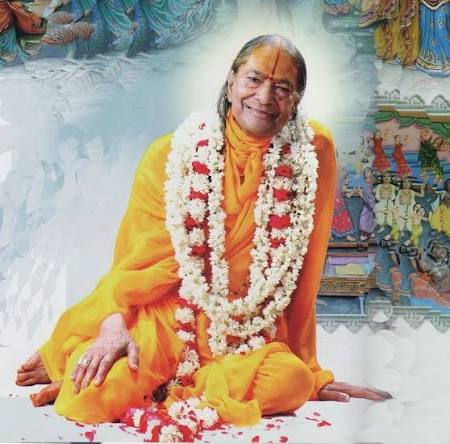
Kripalu Ji’s teachings present a devotional approach to inner transformation. His vision integrates divine love, remembrance, surrender, and devotion into daily spiritual life. Rather than separating spirituality from daily living, this path encourages us to view everyday moments as opportunities to remember the Divine.
Understanding Spirituality as an Awakening of the Inner Self
Modern life often measures progress by external achievements. While education, career, possessions, recognition, and social status may offer comfort, they do not address deeper longings. Spirituality begins when the search for fulfillment turns inward.
True spiritual growth is not about accumulating knowledge, but about allowing it to transform one’s life. One may read many scriptures and remain restless, while another quietly practices compassion, humility, devotion, and self-awareness, leading to profound transformation.
For this reason, spiritual wisdom emphasizes inner purification. Anger becomes an opportunity for patience, attachment for understanding impermanence, pride for humility, and suffering for seeking something lasting. Thus, spirituality is less about becoming extraordinary and more about recognizing the sacred dimension already present in life.
Sanatan Dharma and the Vision of an Eternal Way of Living
Sanatan Dharma is often seen as the eternal principle or way of life that recognizes the interconnectedness of existence. It includes philosophy, ethics, devotion, spiritual disciplines, sacred knowledge, and various approaches to understanding the Divine.
A key aspect of Sanatan Dharma is its recognition that individuals may approach ultimate truth through different spiritual paths. Knowledge, meditation, selfless action, devotion, and disciplined living all support inner growth when pursued sincerely.
Instead of reducing spirituality to external customs, Sanatan Dharma emphasizes dharma: living in harmony with truth, responsibility, righteousness, and the deeper order of existence.
Its wisdom remains relevant in a rapidly changing world. While technology changes how people communicate, work, and live, fundamental questions of love, suffering, purpose, mortality, attachment, and liberation persist.
Two Foundations of a Meaningful Spiritual Life
Inner awareness: Observing one’s thoughts, emotions, desires, and actions with honesty rather than simply reacting to them.
Devotional remembrance: Cultivating a heartfelt connection with the Divine through prayer, meditation, chanting, contemplation, and loving remembrance.
Compassionate living: Allowing spiritual understanding to express itself through kindness, patience, humility, and service.
Self-transformation: Measuring spiritual progress not by appearance or recognition, but by the gradual purification of the heart.
The Place of Divine Love in Spiritual Transformation
Within Indian spiritual thought, devotion offers a uniquely intimate approach. It does not treat the Divine as an abstract concept; instead, it enables seekers to experience the Supreme through love, surrender, remembrance, and personal relationship.
Kripalu Ji’s devotional teachings emphasize the importance of loving devotion. Here, the ultimate purpose of spiritual practice is not just intellectual understanding, but awakening genuine love for the Divine
.
Such devotion can transform daily life. Rather than asking, "What can I receive from the world?" the heart learns to ask, "How can I remember, serve, and love the Divine more sincerely?"
This shift is subtle, yet transformative. The spiritual journey becomes a movement from possession to surrender, from ego to humility, and from restless desire to loving remembrance.
Why Ancient Spiritual Wisdom Still Speaks to the Modern World
Today’s world offers unprecedented convenience, communication, and access to information. However, greater connectivity does not always lead to greater inner connection. People may be surrounded by conversation yet feel unheard, or remain busy yet feel directionless. This is where timeless spiritual wisdom acquires renewed significance.
Indian philosophy encourages individuals to pause, observe, and question the direction of their lives. It teaches that temporary circumstances cannot provide lasting fulfillment, and reminds us that true peace comes from inner transformation.
For the modern seeker, spirituality does not require withdrawal from family, profession, or society. It can begin with sincere daily remembrance, conscious action, ethical living, gratitude, and gradual self-understanding.
Simple Ways to Bring Spiritual Wisdom Into Everyday Life
Begin the day with a few moments of silent remembrance instead of immediately entering the noise of the outside world.
Read or listen to authentic spiritual teachings regularly and reflect on their meaning, rather than simply accumulating information.
Practice kindness and selfless service in daily interactions with family, colleagues, and strangers.
End the day by observing your thoughts and actions, and recognize where you can cultivate greater humility, patience, and devotion.
A Journey From Information to Realization
A key distinction in spiritual life is the difference between knowing truth and living it. Information fills the mind, but realization transforms the individual.
A seeker may understand that everything material is temporary, yet remain deeply attached. They may know the value of forgiveness but continue carrying resentment. They may speak about devotion but struggle to remember the Divine when difficulties arise.
This gap between intellectual knowledge and lived experience is where spiritual practice becomes essential. The purpose of spiritual teachings is therefore not simply to produce knowledgeable individuals. Their deeper purpose is to awaken consciousness. Through sincere practice, reflection, devotion, and guidance, philosophical principles can slowly become character qualities.
The goal is not worldly perfection, but a heart that becomes more sincere, peaceful, compassionate, humble, and devoted.
The Eternal Relevance of a Devotional Path
The enduring appeal of Kripalu Ji’s teachings lies in their focus on the heart. In an age of quick answers, spiritual growth requires patience and sincerity.
The devotional path reminds seekers that divine love is not an intellectual achievement. It requires remembrance, surrender, perseverance, and grace.
Sanatan Dharma also provides a broad spiritual framework, allowing the journey toward truth to unfold through various disciplines and temperaments. Its message is timeless, addressing the enduring human desire to understand existence and seek a reality beyond temporary circumstances. Ultimately, Spirituality is not merely a subject to study. It is an invitation to live differently.
It encourages us to look beyond life's restless surface and listen to the quieter inner voice. It teaches us to transform suffering into wisdom, knowledge into humility, and devotion into a living relationship with the Divine.
The deepest spiritual journey may begin with a simple realization@: while the world changes around us, the search for eternal peace is fulfilled only when the heart turns toward its highest truth.
Frequently Asked Questions
Q1. What does Sanatan Dharma mean?
A1. Sanatan Dharma broadly refers to the eternal principles and spiritual way of life associated with Indian philosophical traditions. It encompasses ideas of dharma, karma, devotion, knowledge, meditation, righteousness, and liberation.
Q2. Is spirituality different from religion?
A2. Spirituality can exist within religious traditions, but its focus is often on personal inner transformation and direct understanding. Religion may provide a structured framework of practices, teachings, traditions, and communities through which spiritual growth can take place.
Q3. Why is devotion important in spiritual life?
A3. Devotion develops a loving relationship with the Divine. It encourages humility, surrender, remembrance, gratitude, and emotional connection, helping spiritual knowledge become a lived experience.
Q4. How can beginners start their spiritual journey?
A4. A beginner can start with regular prayer or meditation, reading authentic spiritual literature, practising kindness, observing their thoughts, and dedicating a few moments every day to remembrance of the Divine.
Q5. Can spirituality be practised while living a normal modern life?
A5. Yes. Spirituality does not necessarily require abandoning family, work, or social responsibilities. Mindful action, ethical conduct, devotion, selfless service, and remembrance can all become part of everyday life.


Comments